Guarana: Benefits, Research & Safety
Guarana is a climbing plant native to the Amazon. Its seeds are naturally high in caffeine, and extracts are common in energy drinks and stimulant-style supplements. People take it hoping for more alertness and less tiredness, but most of its effect is probably the caffeine it contains.
Guarana Ingredient Guide
Also known as: Paullinia cupana, Paullinia sorbilis, Brazilian cocoa, Guaraná
- What it is
- Guarana (Paullinia cupana) is a shrub from the Amazon basin. Its seeds contain roughly 2% to 8% caffeine, which is more than coffee beans (about 1% to 3%).
- What it does
- Its main active compound is caffeine, which blocks adenosine receptors in the brain and can increase alertness. The seeds also contain other plant compounds, such as tannins and theobromine, whose roles are less clear.
- How it is used
- It is used in capsules, powders, energy drinks, shots and weight-management or pre-workout products. People generally take it for energy, focus and exercise performance.
- Natural sources and forms
- The source is the crushed, roasted or extracted seed. Products are sold as seed powder or dry extracts, and some are labeled by caffeine percentage. Caffeine content varies between products.
- Why it appears in formulas
- Makers add it as a plant-based caffeine source and for its Amazonian image. It is often paired with other stimulants or with vitamins in energy products.
- What to know before use
- Count guarana as caffeine. Combined with coffee, energy drinks and other stimulants, it can push total intake too high, causing jitters, a racing heart and trouble sleeping.
What the Research Says
Overall: Limited evidence
Most human research on guarana is small and short-term. Many trials use a single dose or a few weeks of use, often in healthy young adults. Several also use mixed products, such as guarana with vitamins, minerals or ginseng, so the effect of guarana alone is hard to separate.
A 2023 systematic review and meta-analysis of single-dose guarana on cognitive performance included eight studies. It suggested possible small benefits, mainly in speed of response. Accuracy was less consistent. The authors noted that more studies directly comparing guarana with matched doses of caffeine are needed. This matters because it is hard to know whether guarana does anything beyond what its caffeine does.
For cancer-related fatigue, results conflict. A 2021 meta-analysis found guarana was not clearly better than placebo, while an earlier review of breast cancer studies was more positive. The studies were small and of mixed quality.
There is little reliable evidence for claims about weight loss, athletic performance or long-term health. Overall, guarana may support short-term alertness, mostly because of caffeine, but strong conclusions are not supported.
| Studied for | What the research says | Evidence |
|---|---|---|
| Alertness and cognitive performance | A meta-analysis of eight single-dose studies suggested small possible improvements, mostly in reaction speed, with inconsistent effects on accuracy. It is unclear whether guarana adds anything beyond its caffeine. | Limited evidence |
| Cancer-related fatigue | Small trials and reviews disagree. A 2021 meta-analysis found no clear advantage over placebo, and the authors called for better-quality studies. | Early evidence |
| Caffeine content and safety | A review of guarana as a dietary ingredient concluded it is generally recognized as safe, and that serious risk is unlikely if caffeine intake guidelines are followed. | Moderate evidence |
| Liver effects | LiverTox notes that small studies of guarana reported no liver injury or enzyme elevations. | Limited evidence |
Did you know? More caffeine than coffee beans
Guarana seeds contain about 2% to 8% caffeine, versus about 1% to 3% in coffee beans. Because guarana adds to the caffeine in a product, labels listing it alongside coffee or green tea extract can contain more caffeine than they seem to.
Amounts Used in Studies
These are amounts researchers used, not dosing advice. Ask your doctor or pharmacist what is right for you.
| Form | Amount | Study context |
|---|---|---|
| Guarana extract or seed powder in single-dose cognition studies | Varies by study; typically providing a small to moderate caffeine amount | Short acute studies in healthy adults; doses and products differ across trials |
| Guarana extract in cancer-related fatigue trials | Varies by trial | Small trials lasting a few weeks in patients undergoing cancer treatment |
Safety, Side Effects and Interactions
Because guarana is a caffeine source, its side effects are mainly those of caffeine. These include nervousness, restlessness, insomnia, headache, upset stomach, fast or irregular heartbeat and raised blood pressure. Using several guarana or caffeine products together can lead to caffeine toxicity.
A review of guarana seed concluded it is generally recognized as safe as a dietary ingredient when caffeine intake guidelines are respected. Health authorities commonly cite about 400 mg of caffeine per day as a limit for most healthy adults. Guarana products often do not state the amount of caffeine clearly, so it is easy to overshoot.
The FDA has ruled that caffeine is unsafe as a food additive when combined with alcohol. Long-term safety data for concentrated guarana extracts are limited. Talk to a healthcare professional before using it if you have a medical condition or take medicines.
Possible interactions
- Other caffeine sources (coffee, tea, energy drinks, pre-workout products) add up and raise the risk of caffeine side effects.
- Stimulant medicines and decongestants may add to heart-rate and blood-pressure effects.
- Caffeine may have additive effects with blood-pressure or heart rhythm medicines; ask a pharmacist.
- Caffeine may interact with certain medicines, such as some antidepressants, lithium, theophylline and some antibiotics; check with a pharmacist.
- Guarana may have mild antiplatelet effects, so use caution with blood thinners such as warfarin or aspirin.
Avoid it or ask a doctor first if
- Pregnant or breastfeeding
- Heart rhythm problems or high blood pressure
- Anxiety or panic disorders
- Insomnia
- Taking prescription medicines (ask a pharmacist first)
- Sensitive to caffeine
- Children and teenagers
- Bleeding disorders or upcoming surgery
Supplements We've Reviewed That Contain Guarana
Each review checks the full formula, price, refund policy and side effects.
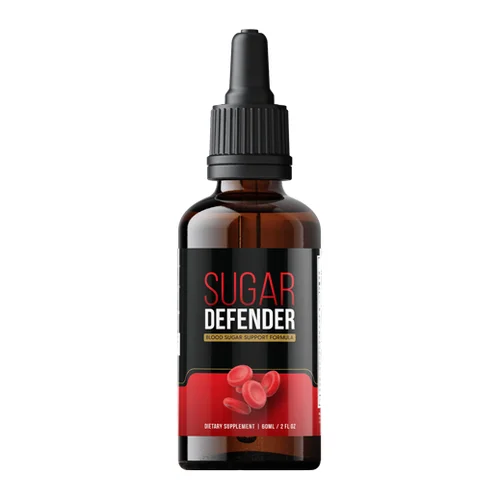
Sugar Defender Review: Does It Really Support Healthy Blood Sugar?
Blood sugar and energy liquid supplement sold on the official website with a 60-day money-back guarantee; the company's claims are not independently verified and buyer refund complaints are documented.
Read the reviewFrequently Asked Questions About Guarana
Does guarana really work?
Guarana may support short-term alertness, mainly because of its caffeine. Evidence for benefits beyond caffeine is limited and mixed, and studies are small. It should not be seen as a treatment for any condition.
Is guarana safe?
For most healthy adults, guarana is considered generally safe when total caffeine stays within usual guidelines. Side effects include jitters, insomnia and a fast heartbeat. People with heart conditions, who are pregnant, or who take certain medicines should check with a doctor first.
Is guarana stronger than coffee?
Gram for gram, the seeds contain more caffeine than coffee beans. In a product, the effect depends on how much caffeine it contains, so check the label and add up all sources.
Can guarana help with weight loss?
Guarana is often added to weight-management products, but good evidence is lacking. Any effect is likely modest and tied to caffeine, which can reduce appetite or raise energy use slightly.
Can I take guarana with alcohol?
It is best avoided. The FDA has ruled that caffeine is unsafe as a food additive when combined with alcohol, because stimulants can mask feeling intoxicated.
Sources
- Safety of Guarana Seed as a Dietary Ingredient: A Review — PubMed
- Effect of Guarana (Paullinia cupana) on Cognitive Performance: A Systematic Review and Meta-Analysis — Nutrients (MDPI)
- Guarana — LiverTox, NCBI Bookshelf
- Guarana: Paullinia cupana, P. sorbilis; also known as Brazilian cocoa and 'zoom' — PubMed
- Guarana — Drugs.com Natural Products
Last reviewed: