Green Coffee Bean Extract: Benefits, Research & Safety
Green coffee bean extract comes from coffee seeds that have not been roasted. It is rich in chlorogenic acids, plant compounds that roasting largely breaks down. People mostly take it hoping to support weight management, and the research on that is small and early.
Green Coffee Bean Extract Ingredient Guide
Also known as: Green coffee, Green coffee extract, GCE, GCBE, Chlorogenic acid, Coffea arabica / Coffea canephora (robusta) seed extract
- What it is
- An extract made from raw, unroasted coffee seeds. It is a source of chlorogenic acids and usually contains some caffeine.
- What it does
- Chlorogenic acids were studied in lab and animal work for effects on how the body handles sugar and fat. Whether this translates into meaningful effects in people is not established.
- How it is used
- It is taken as capsules, powders or added to drink mixes, usually in the hope of supporting weight management or healthy blood sugar. It is a dietary supplement, not a medicine.
- Natural sources and forms
- It comes from the seeds of coffee plants, and extracts are often standardized to a percentage of chlorogenic acid. Products vary, and some commercial products were reported to contain less chlorogenic acid than the label stated. Some are decaffeinated and some are not.
- Why it appears in formulas
- Makers add it because of its weight-management reputation and because chlorogenic acid is a recognizable, marketable ingredient. It also pairs with coffee-style or caffeine-containing formulas.
- What to know before use
- Check the label for caffeine, because it can add up with coffee, tea and other stimulants. Long-term safety is unknown, so talk to a doctor first if you take medicines, are pregnant or have a medical condition.
What the Research Says
Overall: Limited evidence
The human evidence for green coffee bean extract is limited. Most of the interest is in weight loss, and the trials behind it are few, small and short.
A 2010 systematic review of randomized trials found only three small trials, 142 participants in total. It reported a small difference in weight versus placebo, but the authors rated the studies as poor in methodological quality. They said the clinical relevance was uncertain and that longer, more rigorous trials were needed.
A 2023 meta-analysis pooled randomized trials of extracts providing at least 500 mg/day of chlorogenic acid. It found a small average reduction in body weight, about 1.3 kg, but it was based on only a few trials with about 100 participants. Its authors also called for more trials on long-term effectiveness and safety.
One frequently cited human study that supported weight loss was later retracted because of methodological problems, according to a University of Michigan Health library page. The US Federal Trade Commission has also taken action against a company for deceptive green coffee weight-loss claims.
Taken together, the research suggests at most a modest effect over a short period, with a lot of uncertainty. Other areas, such as blood sugar and blood pressure, have even less evidence in this summary. Results from one product may not apply to another.
| Studied for | What the research says | Evidence |
|---|---|---|
| Body weight | Small, short randomized trials pooled in meta-analyses found a small average weight difference versus placebo, roughly 1 to 2.5 kg. The trials were few and of limited quality, so the real-world importance is uncertain. | Limited evidence |
| Research quality and reliability | Reviewers have noted poor methodological quality in early trials, and a widely cited supportive human study was retracted. This lowers confidence in the more optimistic results. | Limited evidence |
| BMI and waist circumference | Some recent research suggests extracts containing chlorogenic acid might reduce BMI and waist circumference. This needs confirmation in larger, longer, high-quality trials. | Early evidence |
| Long-term safety | It appears to be well tolerated in small amounts for the short term, but long-term safety has not been established. Authors of recent reviews call for more safety data. | Limited evidence |
Did you know? Why roasting changes everything
Green coffee beans contain more chlorogenic acid than roasted coffee, because roasting breaks much of it down. That is why green coffee extract is marketed differently from ordinary coffee, even though the research on its effects is still thin.
Amounts Used in Studies
These are amounts researchers used, not dosing advice. Ask your doctor or pharmacist what is right for you.
| Form | Amount | Study context |
|---|---|---|
| Green coffee bean extract providing chlorogenic acid | at least 500 mg/day chlorogenic acid | Threshold used in a 2023 meta-analysis of a few small randomized trials of body weight |
| Green coffee extract (various products) | Varied by trial | Early trials in the 2010 review used different products and lengths, mostly short-term, so no consistent amount is established |
Safety, Side Effects and Interactions
In the short term and in small amounts, green coffee bean extract appears to be generally well tolerated. Long-term safety is unknown, and the formal reviews found did not provide detailed adverse-event data.
Most known concerns come from caffeine, which many green coffee products contain. Caffeine can cause jitteriness, trouble sleeping, a faster heartbeat, upset stomach, headache and raised blood pressure in sensitive people. The amount varies by product, so read the label.
I did not find evidence linking chlorogenic acid to liver injury in the sources I checked. Liver injury has been linked to green tea extract, which is a different ingredient, so the two should not be confused. Another general concern is quality: some commercial products had less chlorogenic acid than the label said, and supplements are not approved by the FDA before sale.
There is not enough reliable safety data for pregnancy, breastfeeding or children, so it is best avoided in those groups unless a doctor says otherwise. Stop use and seek medical advice if you notice palpitations, chest pain, severe headache or other worrying symptoms.
Possible interactions
- Caffeine in the product can add to coffee, energy drinks and other stimulants, increasing jitters, sleep problems and heart rate.
- It may interact with medicines for blood pressure, heart rhythm or anxiety because of its caffeine content, so ask a pharmacist.
- People taking diabetes medicines should check with a doctor, because chlorogenic acids were studied for effects on blood sugar and could in theory add to those medicines.
- Caffeine can interact with some medicines, including certain antidepressants, antibiotics and thyroid medicines, so check with a pharmacist.
- It may add to the effect of other weight-loss or stimulant supplements.
Avoid it or ask a doctor first if
- Pregnant or breastfeeding
- Sensitive to caffeine
- Heart rhythm problems or high blood pressure
- Anxiety or sleep problems
- Diabetes or taking blood sugar medicines (ask a doctor first)
- Taking prescription medicines (ask a doctor or pharmacist first)
- Under 18
Supplements We've Reviewed That Contain Green Coffee Bean Extract
Each review checks the full formula, price, refund policy and side effects.
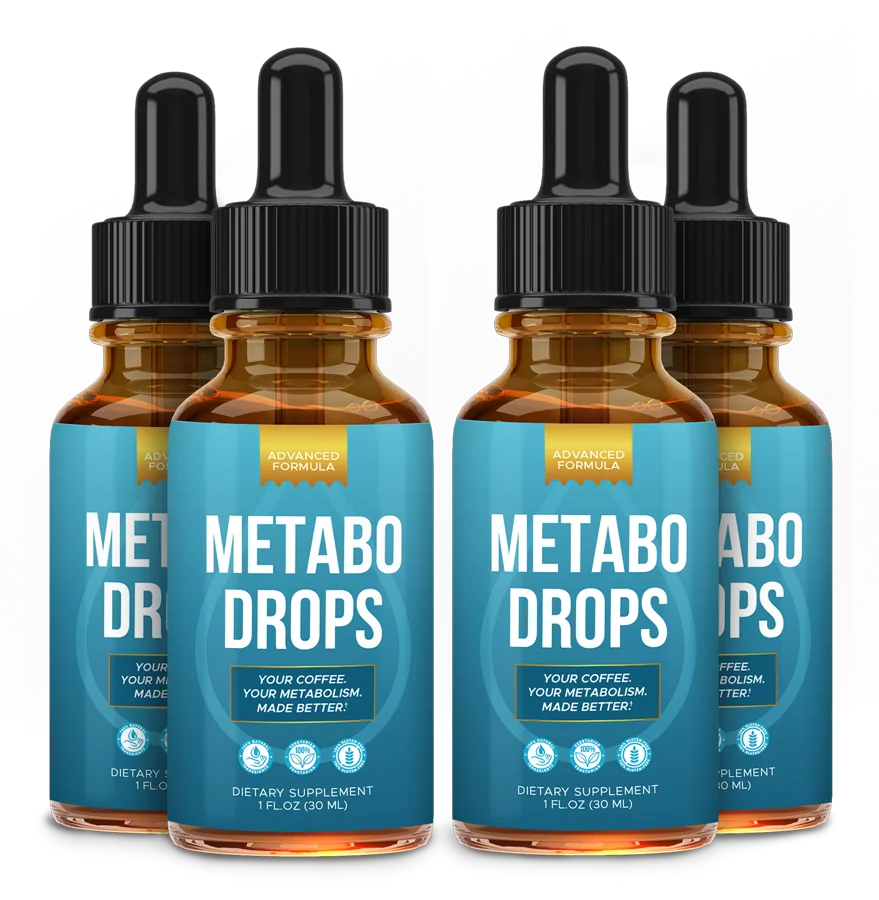
Metabo Drops Review: Does This Fat Burning Coffee Drop Really Work?
Coffee-add liquid drops marketed for fat burning; the official sales page is video-only with no ingredient list or price.
Read the review
Java Burn Review: Does This Coffee Supplement Really Boost Metabolism?
A tasteless supplement the vendor says boosts metabolism and fat-burning when added to daily coffee.
Read the reviewFrequently Asked Questions About Green Coffee Bean Extract
Does green coffee bean extract really work?
Research suggests a small effect on body weight at best. A 2023 meta-analysis found about a 1.3 kg average difference, based on a few small trials, and the earlier 2010 review rated the studies as poor in quality. It is not a proven weight-loss aid.
Is green coffee bean extract safe?
It appears to be well tolerated in small amounts for the short term, but long-term safety is unknown. Caffeine in many products can cause jitters, sleep problems and a faster heartbeat. Check with a doctor first if you are pregnant, have a medical condition or take medicines.
Does green coffee extract contain caffeine?
Often yes, though amounts vary by product and some are decaffeinated. Check the label, especially if you also drink coffee or take other stimulants.
Is it the same as green tea extract?
No. Green coffee extract comes from unroasted coffee seeds and is rich in chlorogenic acid. Green tea extract comes from tea leaves and is rich in catechins such as EGCG, which have been linked to liver injury in some cases.
Why was a green coffee study retracted?
A University of Michigan Health library page notes that one supporting human study was retracted because of methodological problems. This is one reason the evidence is treated with caution.
Sources
- The Use of Green Coffee Extract as a Weight Loss Supplement: A Systematic Review and Meta-Analysis of Randomised Clinical Trials — PubMed Central
- Green coffee bean extract and body weight meta-analysis (Systematic Reviews) — PubMed
- Green Coffee Extract for Weight Control — University of Michigan Health
- Green Coffee Bean Dietary Supplements for Weight Loss — Operation Supplement Safety
- Green tea (LiverTox) — NCBI Bookshelf
Last reviewed: