Fennel Seed: Benefits, Research & Safety
Fennel seed comes from Foeniculum vulgare, a plant in the carrot family. It is used as a spice and in herbal teas, extracts and capsules. People take it mainly for digestive comfort and for women's health concerns such as menstrual cramps and menopause symptoms. The research is small and uneven.
Fennel Seed Ingredient Guide
Also known as: Foeniculum vulgare, Sweet fennel, Common fennel, Fennel fruit
- What it is
- Fennel seed is the dried fruit of Foeniculum vulgare, an aromatic herb. It has an anise-like flavor from volatile oils such as anethole.
- What it does
- Its volatile oils are thought to relax smooth muscle, and anethole may have weak estrogen-like activity. Most of this evidence comes from lab and animal work, so how well it applies to people is uncertain.
- How it is used
- It is chewed as a spice, brewed as tea, or taken as capsules, extracts or essential oil. People use it after meals and for menstrual or menopausal symptoms.
- Natural sources and forms
- Sources include whole or crushed seeds, teas, powdered or standardized extracts and the essential oil. Products are rarely standardized in a consistent way, so the amount of active compounds, including estragole, varies.
- Why it appears in formulas
- Makers add it to digestive, women's health and lactation blends because of its traditional use and its taste.
- What to know before use
- Avoid medicinal amounts of fennel, and especially fennel oil, if you are pregnant or breastfeeding, or have a hormone-sensitive condition, unless your clinician agrees. Talk to a clinician first if you take prescription medicines.
What the Research Says
Overall: Limited evidence
The human research on fennel is small and often of low quality. The best-studied area is primary dysmenorrhea (period pain). Meta-analyses of randomized trials found that fennel reduced pain more than placebo. In some comparisons its effect was similar to that of the anti-inflammatory drug mefenamic acid. Many of these trials were short, small and open to bias, and several came from a limited number of research groups.
For menopausal symptoms, a systematic review of seven randomized trials favored fennel for symptom scores. The trials had notable risks of bias, and effects on quality of life and psychological health remain unclear.
Ideas about digestion, lactation, weight and blood sugar rest mostly on traditional use, animal studies or very small human studies. These do not establish benefit. Fennel products also differ widely in form and strength, so results from one trial may not apply to another product. Larger, well-designed trials are needed before firm conclusions can be drawn.
| Studied for | What the research says | Evidence |
|---|---|---|
| Menstrual pain (primary dysmenorrhea) | Meta-analyses of randomized trials suggest fennel lowered pain more than placebo, and some found it similar to mefenamic acid. Trial quality was mixed. | Limited evidence |
| Menopausal symptoms | A systematic review of seven trials favored fennel for symptom scores, but the studies had notable bias risks and were small. | Limited evidence |
| Digestive comfort | Fennel is traditionally used for gas and bloating. High-quality human trials of fennel seed alone are lacking. | Early evidence |
| Breast milk supply | Small studies of fennel-containing teas exist, but they are not conclusive. Safety for infants is also a concern. | Early evidence |
Did you know? Why the oil matters more than the spice
Fennel's flavor comes from anethole, but its volatile oil also contains estragole. Regulators in Europe set limits for estragole because of animal tumor findings. A pinch of seed in food is very different from concentrated oil or long-term high-dose use.
Amounts Used in Studies
These are amounts researchers used, not dosing advice. Ask your doctor or pharmacist what is right for you.
| Form | Amount | Study context |
|---|---|---|
| Fennel seed or extract capsules | Varies by trial, often several hundred mg to a few grams per day | Short trials in women over a few menstrual cycles or several weeks. Products were not standardized. |
| Fennel tea or infusion | Roughly 1 to 2 teaspoons of crushed seed per cup in traditional use | Used in small trials and traditional practice, with little consistency between studies. |
Safety, Side Effects and Interactions
Fennel seed used as a food spice is generally well tolerated. In studies, side effects were usually mild, such as stomach upset or nausea. Allergic reactions can occur, particularly in people allergic to other plants in the carrot family, such as celery, carrot and mugwort. Fennel can also make skin more sensitive to sun in some people.
The volatile oil contains estragole, which has caused liver tumors in animals at high doses. Regulators advise limiting exposure, especially in children. Safety data on medicinal amounts and essential oil in pregnancy and breastfeeding are lacking, and fennel is traditionally thought to have hormone-like effects. The oil is more concentrated and can be toxic if swallowed in larger amounts. Do not give fennel products to infants or young children without medical advice. Long-term safety is not well studied, and one regulatory monograph considers use possibly safe for about a week at appropriate amounts.
Possible interactions
- Fennel may have weak estrogen-like effects, so it could interfere with hormone therapy, birth control pills or anti-estrogen drugs such as tamoxifen.
- Some regulatory sources advise avoiding use with anticonvulsant (seizure) medicines because of a possible seizure risk. Clinical evidence is lacking.
- Fennel might affect how the liver processes some drugs. This is based on lab data, and no clinical interaction studies were found.
- Tell your clinician before combining fennel with blood thinners or diabetes medicines, as theoretical effects have been raised but not confirmed.
Avoid it or ask a doctor first if
- Pregnant or breastfeeding, unless your clinician approves
- Hormone-sensitive conditions such as some breast, ovarian or uterine cancers, or endometriosis
- Allergic to celery, carrot, mugwort or other Apiaceae plants
- Seizure disorders
- Infants and young children, especially with essential oil
- Taking hormone therapy, tamoxifen or other prescription medicines, without medical advice
Supplements We've Reviewed That Contain Fennel Seed
Each review checks the full formula, price, refund policy and side effects.
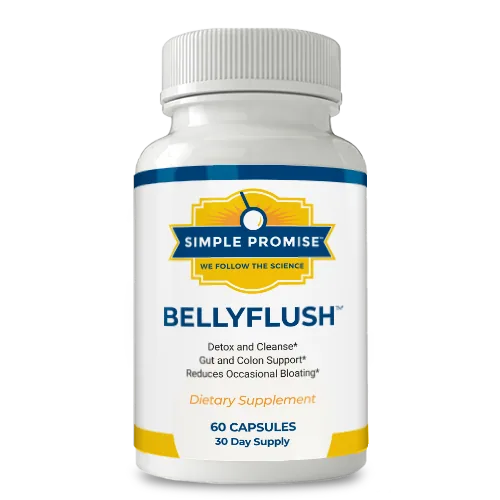
BellyFlush Review: Does It Really Work for Digestive Regularity?
An 11-herb digestive capsule sold through the official website, with a 365-day money-back guarantee.
Read the reviewFrequently Asked Questions About Fennel Seed
Does fennel seed really work?
Research suggests it may ease period pain, and there are early signals for menopausal symptoms. The trials are small and often at risk of bias, so the evidence is limited. Claims about weight loss or other effects are not well supported.
Is fennel seed safe?
As a culinary spice it is generally well tolerated. Concentrated extracts and oil are less well studied, and they are not recommended in pregnancy, breastfeeding or for young children without medical advice. Allergy is possible.
Can fennel tea help with gas and bloating?
It is traditionally used this way, and the idea is plausible because the oils may relax gut muscle. High-quality human trials are lacking, so the benefit is unproven.
Does fennel act like estrogen?
Anethole has shown weak estrogen-like activity in lab studies. Whether this matters in people at usual intakes is unclear, so people with hormone-sensitive conditions should check with a clinician first.
Can I take fennel with medications?
Interaction studies in people are lacking. Caution is advised with hormone-based drugs, tamoxifen and seizure medicines, so ask a pharmacist or doctor before using it.
Sources
- Fennel for Reducing Pain in Primary Dysmenorrhea: A Systematic Review and Meta-Analysis of Randomized Controlled Trials — PubMed Central
- Fennel (Foeniculum vulgare) on management of menopausal symptoms: A protocol for systematic review of randomized controlled trials — PubMed Central
- Effect of fennel on primary dysmenorrhea: a systematic review and meta-analysis — De Gruyter
- Assessment report on Foeniculum vulgare Miller — European Medicines Agency
- Fennel — Drugs.com
Last reviewed: