Dong Quai: Benefits, Research & Safety
Dong quai is the root of Angelica sinensis, a plant used for centuries in traditional Chinese medicine. People in the US mostly take it for menopause symptoms and menstrual comfort. Human research is limited and mostly doesn't show a benefit, and the herb has real safety cautions.
Dong Quai Ingredient Guide
Also known as: Angelica sinensis, Chinese angelica, Danggui, Female ginseng
- What it is
- Dong quai is the dried root of Angelica sinensis, a fragrant plant in the celery family that grows in China, Japan and Korea. In traditional Chinese medicine it is often combined with other herbs.
- What it does
- Its root contains compounds such as ferulic acid, ligustilide and coumarins. Lab and animal studies suggest these may affect blood vessels, clotting and inflammation. Whether this matters in people is unclear.
- How it is used
- It is taken as capsules, tablets, tinctures, teas or in multi-herb blends, mostly by women hoping to support comfort during menopause or periods. Traditional use in teas and soups is different from concentrated extracts.
- Natural sources and forms
- The dried root is sold as powder, sliced root, liquid extract and capsules. Products are not consistently standardized, so the content of active compounds can vary between them.
- Why it appears in formulas
- Makers add it to women's health and menopause blends because of its long traditional use. Marketing often goes further than the clinical evidence.
- What to know before use
- Dong quai may slow blood clotting and may have hormone-like effects. Talk to a clinician first if you take blood thinners, are pregnant, or have a hormone-sensitive condition.
What the Research Says
Overall: Limited evidence
Research on dong quai in people is sparse and mostly unimpressive. The best-known human study was a 24-week double-blind, placebo-controlled trial in postmenopausal women. It found no difference from placebo in menopausal symptoms, endometrial thickness or vaginal cell changes. A review of botanical supplements for menopause concluded that dong quai appeared ineffective for menopausal symptoms at the doses and preparations studied.
Other trials were small, and some tested dong quai combined with other herbs, so it is hard to tell what any effect came from. Most claims about circulation, menstrual pain, inflammation or blood effects come from traditional use, lab studies and animal studies. These do not show that the same effects happen in people.
MedlinePlus says there is not enough good scientific evidence to support its common uses. Dong quai has been studied mainly alone or in traditional multi-herb formulas. Product quality varies, and the research is mostly older. Overall, the evidence is limited, and you should treat marketing claims with caution.
| Studied for | What the research says | Evidence |
|---|---|---|
| Menopausal symptoms (hot flashes) | A 24-week placebo-controlled trial and a review of botanicals found no clear benefit over placebo. Other small trials were also unconvincing. | Limited evidence |
| Estrogen-like effects | In postmenopausal women, dong quai alone did not change endometrial thickness or vaginal cell maturation. This suggests little estrogen-like effect at the dose studied. | Limited evidence |
| Menstrual discomfort | It is widely used traditionally, but good human trials of dong quai alone are lacking. | Early evidence |
| Blood clotting and circulation | Lab studies and case reports suggest it may slow clotting. This is a safety concern more than a proven benefit. | Early evidence |
Did you know? Called "female ginseng" but not a ginseng
Dong quai is often nicknamed "female ginseng", but it is not related to true ginseng (Panax). It belongs to the Apiaceae (celery) family. In traditional Chinese medicine it is rarely used alone and is usually combined with other herbs.
Amounts Used in Studies
These are amounts researchers used, not dosing advice. Ask your doctor or pharmacist what is right for you.
| Form | Amount | Study context |
|---|---|---|
| Dong quai root, capsules | About 4.5 g/day of dried root in the 24-week trial in postmenopausal women | The trial found no difference from placebo. Amounts and products varied across studies. |
Safety, Side Effects and Interactions
Short-term use in studies has generally been reported as well tolerated, but long-term safety data are lacking. Reported side effects include stomach upset, diarrhea, headache, drowsiness, and loss of appetite. Some people get sensitive skin, and sun exposure can cause a rash or burn. The root contains furocoumarins, which can cause this effect.
The most important concern is bleeding. Dong quai may slow blood clotting, and a case report described a stronger warfarin effect after a woman started it. MedlinePlus advises stopping it at least two weeks before scheduled surgery. Because of possible hormone-like activity, it may not suit people with hormone-sensitive conditions. It may raise the risk of miscarriage, so people who are pregnant should avoid it. Supplements are not tightly regulated, so contents and quality can vary.
Possible interactions
- Warfarin and other blood thinners: may increase bruising and bleeding risk, and MedlinePlus rates this combination as major.
- Antiplatelet drugs and NSAIDs, and herbs like ginkgo, garlic or ginger: may add to the effect on bleeding.
- Estrogen medicines and hormone therapy: may add to estrogen-related effects.
- Photosensitizing drugs: may add to sun sensitivity.
- Tell your pharmacist or doctor about it before any surgery or procedure.
Avoid it or ask a doctor first if
- Pregnant or trying to conceive
- Breastfeeding
- Taking warfarin or other blood thinners
- Bleeding disorders
- Scheduled surgery within two weeks
- Hormone-sensitive cancer or other conditions, unless a clinician approves
- Heavy menstrual bleeding or fibroids, unless a clinician approves
Supplements We've Reviewed That Contain Dong Quai
Each review checks the full formula, price, refund policy and side effects.
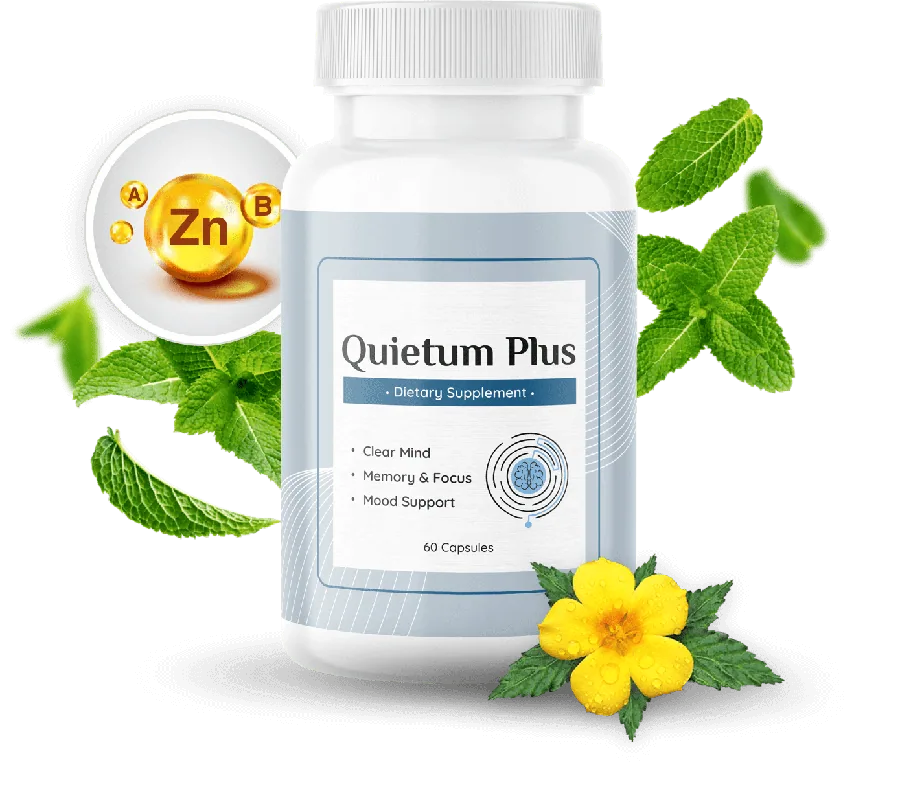
Quietum Plus Review: Does It Really Help With Tinnitus?
Plant and vitamin capsule marketed for ear ringing (tinnitus) and hearing support; no product-specific human study found.
Read the reviewFrequently Asked Questions About Dong Quai
Does dong quai really work?
Evidence is limited. A 24-week placebo-controlled trial and a review of menopause botanicals found no clear benefit for hot flashes or other menopausal symptoms. Traditional use is long, but that is not proof it works.
Is dong quai safe?
It is usually well tolerated for short periods, but it is not right for everyone. It may slow blood clotting, raise sun sensitivity and may not be safe in pregnancy. Check with a clinician first, especially if you take medicines.
Can I take dong quai with warfarin?
MedlinePlus lists this as a major interaction and advises against it. A case report described a stronger warfarin effect after starting dong quai. Ask your prescriber before using it.
Is dong quai a phytoestrogen?
It is sometimes described that way, but the evidence is mixed. A trial in postmenopausal women found no change in the uterine lining or vaginal cells, so any estrogen-like effect appears weak.
Should I stop dong quai before surgery?
MedlinePlus advises stopping it at least two weeks before scheduled surgery because of the possible effect on bleeding. Tell your surgical team about all supplements you take.
Sources
- Dong quai — Memorial Sloan Kettering Cancer Center
- Does dong quai have estrogenic effects in postmenopausal women? A double-blind, placebo-controlled trial — PubMed
- Menopause: a review of botanical dietary supplements — PubMed
- Dong quai — Drugs.com
Last reviewed: